MyFitSize
A storefront size recommender that turns garment measurements into a confident fit answer.
- Built at
- RedCircle
- Role
- Product engineer
- Timeline
- 2025
- Stack
- React, TypeScript, Shopify App Extensions, Hono, PostgreSQL
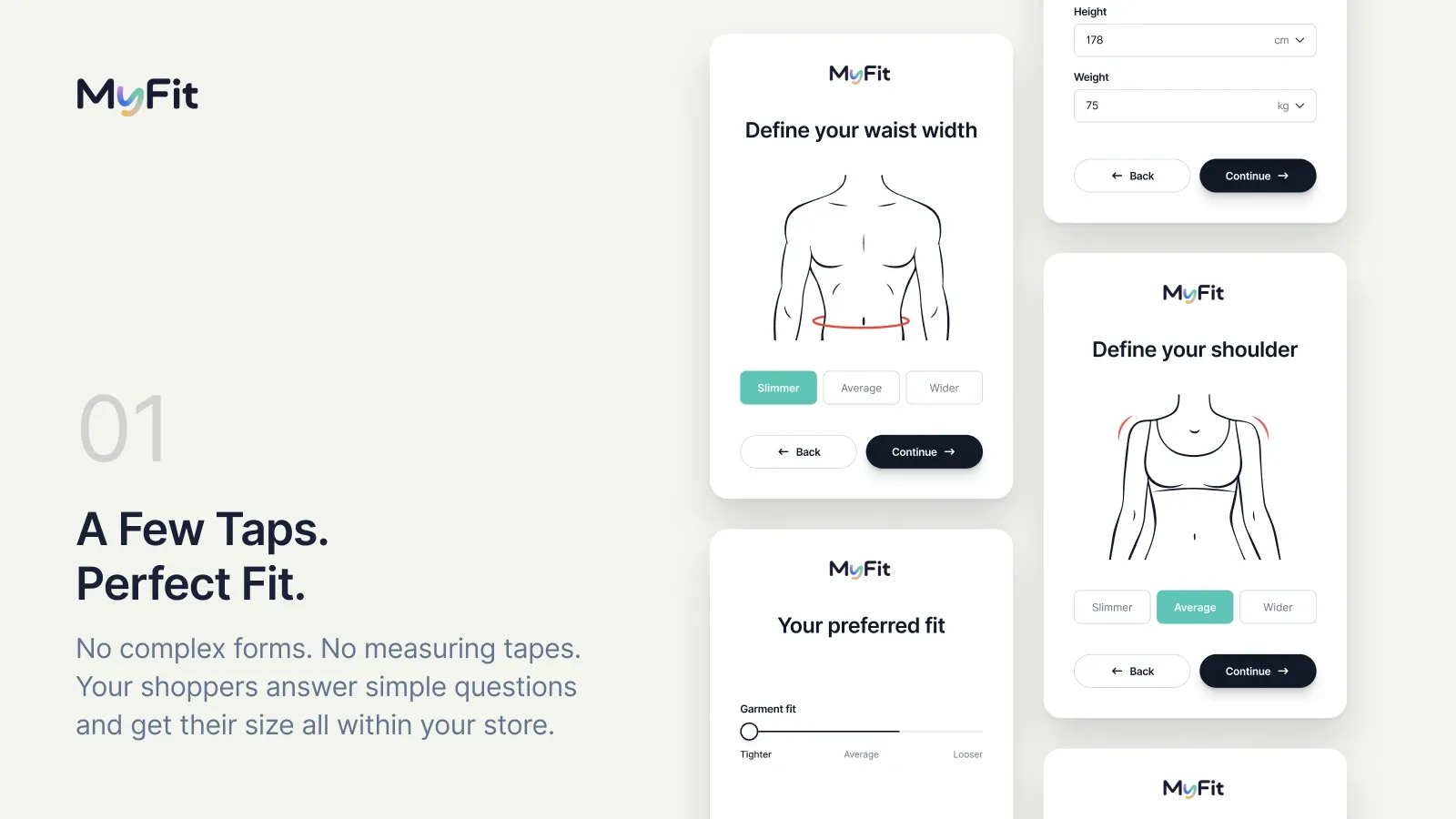
Apparel shoppers abandon carts over one unanswered question: will this fit me? A size chart answers it badly — it lists garment measurements, not body measurements, and assumes the shopper owns a tape measure and knows where to put it. MyFitSize replaces the chart with a few taps and returns one size.
The problem
Most shoppers guess, and a guess that lands wrong becomes a return — the largest avoidable cost in online apparel. The naive fix, asking height and weight and looking up a bucket, fails on body shape: two people at the same height and weight wear different sizes, and the error is worst at the ends of the range where returns concentrate.
Different garments, different measurements
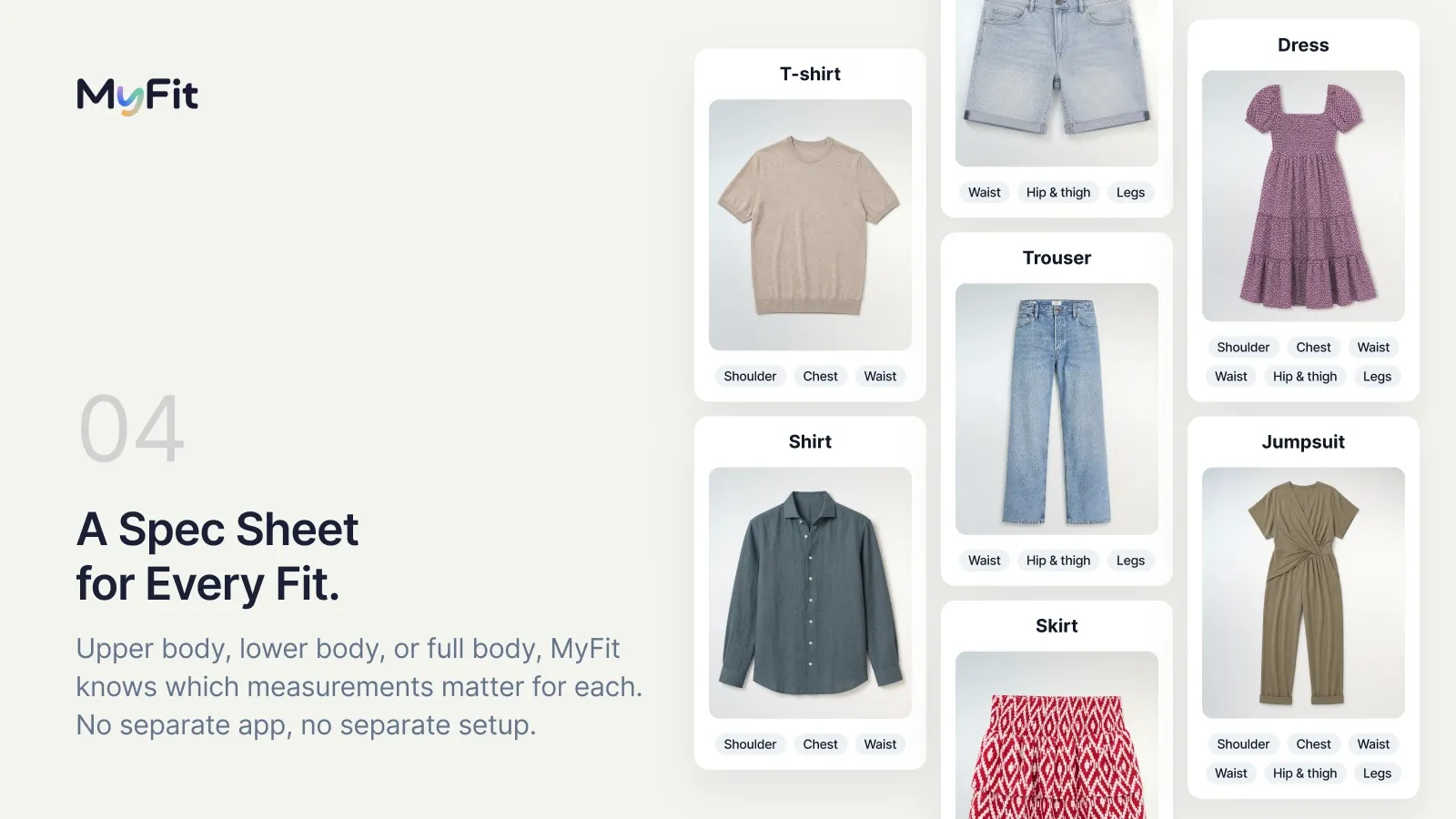
A t-shirt is decided by shoulder and chest. A trouser is decided by waist, hip and thigh. A dress needs all of them. So the model is per garment type rather than one universal body profile, and the quiz only asks for the measurements that actually decide the size in front of the shopper.
How it works
Garment sizing is published flat — a chest width, a waist width. Body sizing is circumferential. The two are not interchangeable, and that conversion is where generic recommenders lose accuracy.
I reverse-engineered the relationship into gender-specific circumference models, so a garment’s published measurements map onto what a shopper can actually report. The model is deterministic: the same inputs always return the same size, so a merchant can audit a recommendation and a shopper who re-runs the quiz gets the same answer.
Getting the merchant’s data in
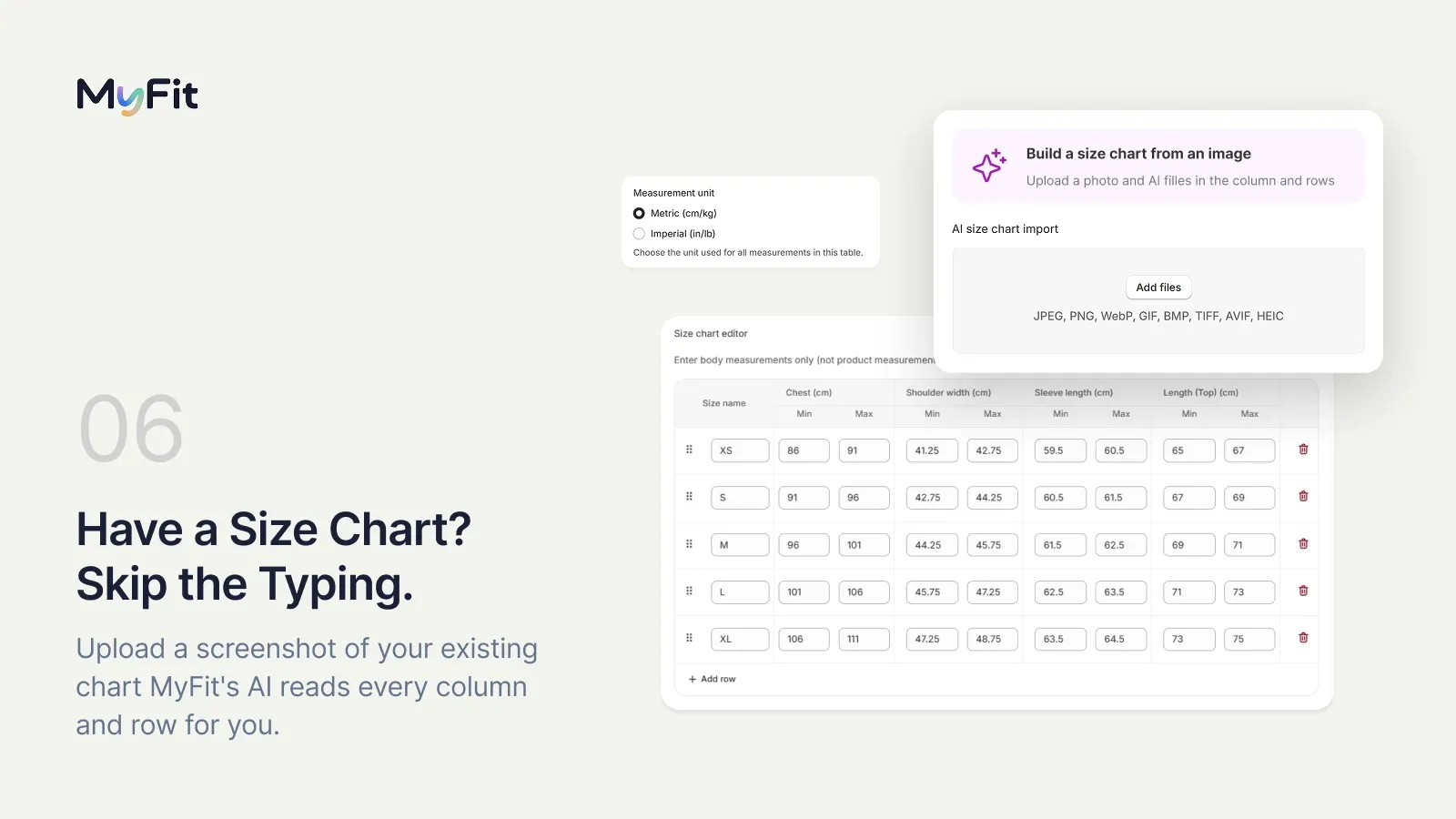
The model is only as good as the size chart behind it, and merchants keep theirs as a screenshot or a PDF. Asking them to retype it into a form is where adoption dies, so the app reads the image and fills the columns itself.
What the merchant sees
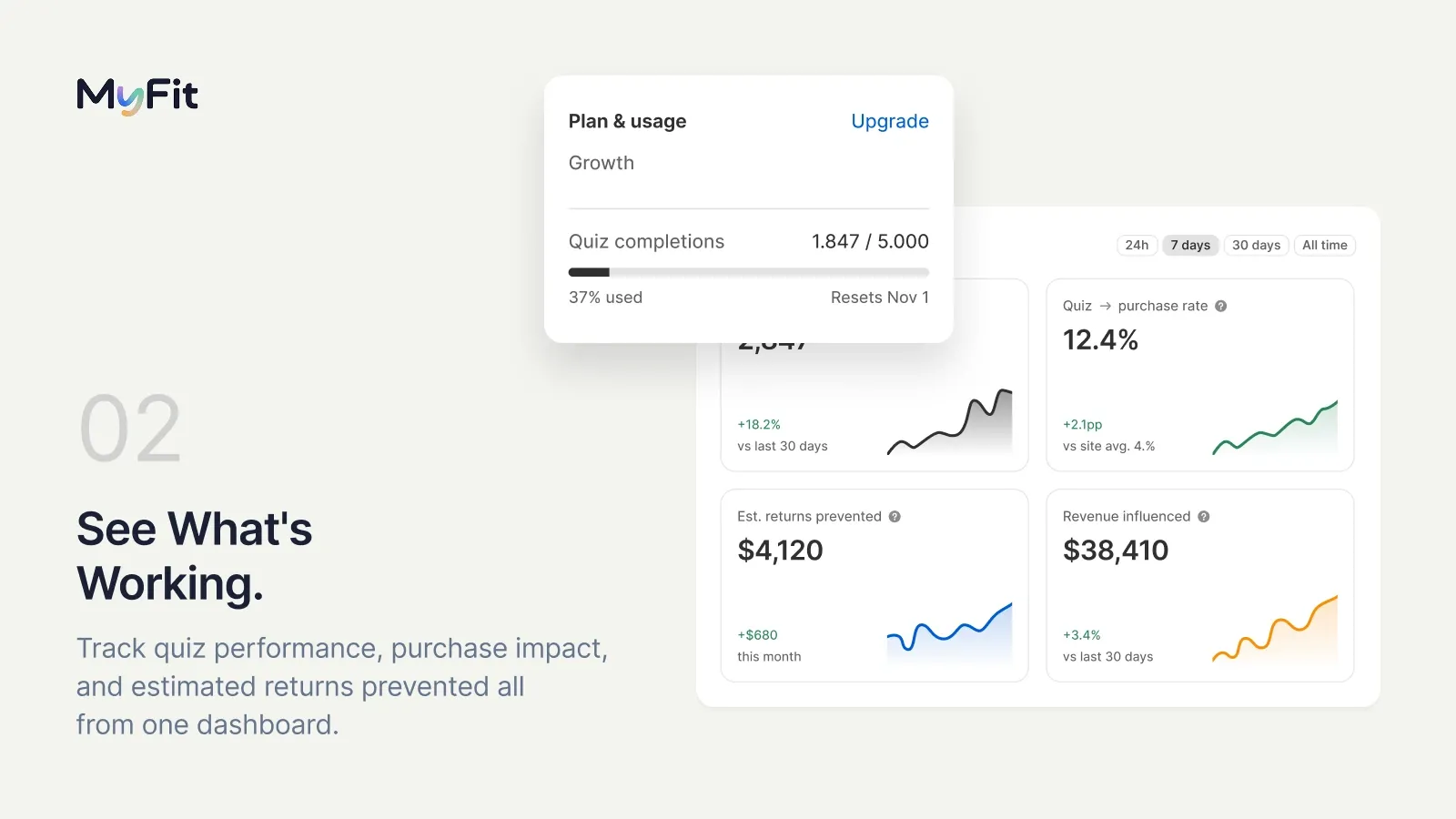
A recommender that cannot show its effect gets uninstalled at the next subscription review, so the merchant side reports quiz completions, purchase impact and estimated returns prevented.